

The automotive industry is experiencing a significant shift as manufacturers strive to create lighter, stronger, and more efficient vehicle components. One technology leading this revolution is the Low Pressure Die Casting process.
Its ability to produce high-precision, durable, and lightweight parts has become a preferred choice for automotive manufacturers worldwide.
But why is the Low Pressure Die Casting process gaining popularity?
The answer lies in its ability to meet modern automotive demands, such as:
- Enhanced fuel efficiency through lightweight materials
- High-strength components for improved safety
- Cost-effective production for mass manufacturing
- Sustainable, eco-friendly solutions that reduce waste
In addition to these benefits, the Low Pressure Die Casting process is now widely adopted in automotive manufacturing, electric vehicles (EVs), and hybrid vehicle production.
In this article, we will explore:
- What is Low Pressure Die Casting?
- Its advantages for automotive applications
- Which automotive components are produced using this method
- The key industry trends driving its popularity
- Challenges and how manufacturers solve them
Let’s begin by understanding Low Pressure Die Casting and its importance.
What Is Low Pressure Die Casting?
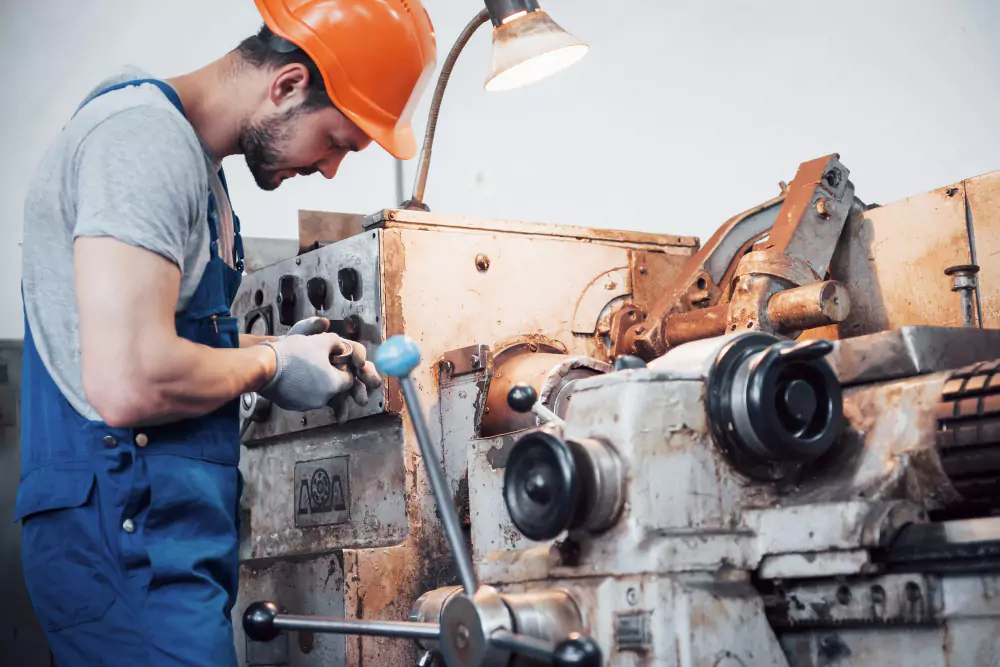
The Low Pressure Die Casting process is an advanced metal casting method that creates high-strength, precision components. Unlike High-Pressure Die Casting, which forces molten metal into molds under extremely high pressure, this technique applies a controlled low pressure.
As a result, you get:
- Stronger, defect-free metal components
- Better dimensional accuracy
- Reduced material waste
Step-by-Step Overview of the Process
- Mold Preparation: First, the mold is preheated and coated to ensure smooth metal flow.
- Metal Injection: Then, molten metal is pushed into the mold at a low, controlled pressure.
- Solidification: The metal cools and hardens within the mold.
- Ejection: Once solid, the casting is removed from the mold.
- Finishing: Lastly, the component undergoes trimming, polishing, or heat treatment for final use.
Key Materials Used in Low Pressure Die Casting
Depending on the specific application and required properties, several metals and alloys are used in the Low Pressure Die Casting process. The most common materials include:
- Aluminum Alloys: Known for their lightweight, corrosion resistance, and high strength-to-weight ratio, they are ideal for automotive structural components.
- Magnesium Alloys: Highly valued for their superior strength and reduced weight, perfect for fuel-efficient vehicle designs.
- Zinc Alloys: Used for complex automotive parts due to their dimensional stability and durability.
How It Differs from Traditional Die Casting Methods
- Slower and More Controlled Injection Process: Helps prevent defects such as air entrapment and porosity.
- Improved Strength and Durability: Produces denser and structurally sound components essential for critical automotive applications.
- Eco-Friendly and Efficient: Reduces material wastage and energy consumption, making it a sustainable manufacturing choice.
Additionally, the Low Pressure Die Casting process is rapidly becoming the preferred method for automotive parts manufacturers in India and beyond.
Advantages of Low Pressure Die Casting for Automotive Applications
Below are the benefits of LPDC you must know:
1. High Strength and Durability
- Low Pressure Die Casting creates dense, high-quality components with excellent mechanical properties.
- The slow metal injection prevents air entrapment, ensuring defect-free, substantial parts.
- In addition, automotive parts like engine blocks, suspension components, and transmission housings require exceptional strength, which this process delivers.
2. Lightweight for Better Fuel Efficiency
- Reducing vehicle weight improves fuel economy and lowers carbon emissions.
- The Low Pressure Die Casting process supports lighter, more fuel-efficient designs, especially in electric vehicles (EVs).
3. High Precision and Complex Designs
- The method ensures tight tolerances. As a result, it is considered to be perfect for intricate automotive components.
- Automated mold control results in consistent quality across production batches.
- Also, battery casings, motor enclosures, and transmission housings benefit from their dimensional accuracy.
4. Cost-Effective and Sustainable
- The controlled metal flow minimizes material waste, making it a cost-efficient process.
- Aluminum, the most used material in Low Pressure Die Casting, is 100% recyclable.
- As per reports, the global aluminum recycling rate is over 75%, proving its sustainability.
Clearly, it is a game-changer for the automotive industry, providing strong, lightweight, and precision components.
Automotive Components Made with Low Pressure Die Casting
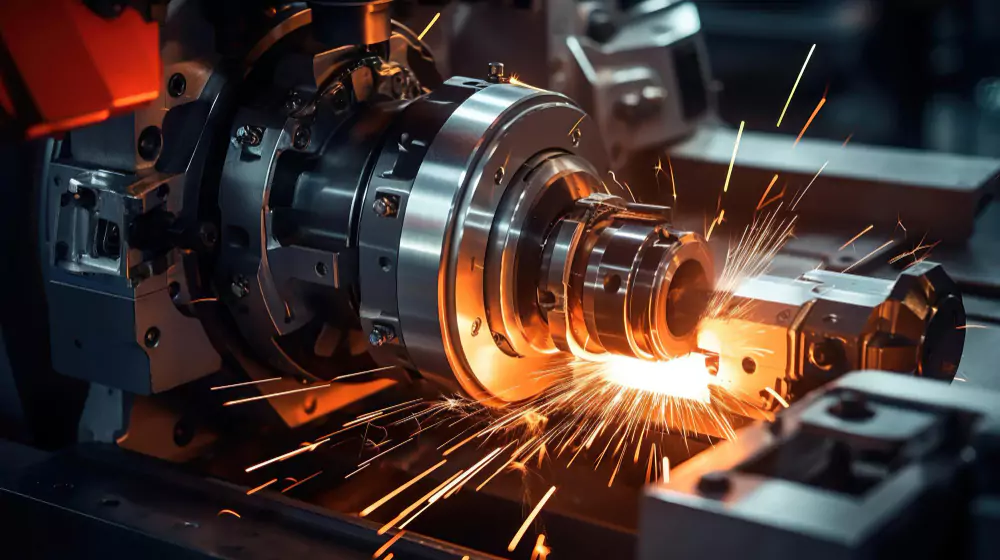
In the ever-evolving automotive industry, Low Pressure Die Casting is becoming the go-to method for manufacturing high-strength and precision-engineered components. Moreover, this process ensures reliability, durability, and consistency, making it ideal for producing essential vehicle parts.
Key Automotive Components Produced Using Low Pressure Die Casting
- Engine Blocks: Provides high thermal conductivity and strength for efficient engine performance.
- Transmission Housings: Ensures lightweight, corrosion-resistant, and highly durable structures for seamless gear transitions.
- Suspension Components: Enhances stability and control, improving the overall driving experience.
- Wheels and Rims: This perfectly balances strength and weight reduction, making them ideal for fuel efficiency.
- Battery Enclosures (for EVs): Protects battery cells while ensuring efficient heat dissipation for better longevity.
- Motor Housings: Provides structural integrity while keeping electric motors well-protected.
Why Is Low Pressure Die Casting Preferred in EV Manufacturing?
Low Pressure Die Casting is widely used because:
- It reduces vehicle weight, increasing energy efficiency and extending battery range.
- Also, it allows for intricate and thin-walled designs, which are crucial for optimizing electric motors and battery casings.
- Additionally, LPDC offers consistent dimensional accuracy, helping in seamless integration with EV components.
- Lastly, It supports sustainability goals by minimizing material wastage and energy consumption.
Moreover, automotive parts manufacturers in India and across the globe are increasingly adopting Low Pressure Die Casting for its cost-effectiveness, superior mechanical properties, and reduced production lead time.
Key Trends Driving the Popularity of Low Pressure Die Casting in Automotive Applications
1. Growing Demand for Lightweight, Fuel-Efficient Vehicles
- The average weight of a modern car has decreased by 20% in the last decade due to lightweight materials.
- Aluminum parts produced via Low Pressure Die Casting are at the forefront of this trend.
2. Increased Adoption in Electric and Hybrid Vehicles
- Electric vehicles (EVs) require lightweight, high-performance components to optimize battery life.
- Low Pressure Die Casting aluminum helps reduce vehicle weight while maintaining structural integrity.
3. Advancements in Die Casting Technology
- AI-driven automation is improving casting efficiency and precision.
- Better mold designs allow for more complex automotive components.
Given these trends, automotive manufacturers worldwide invest heavily in Low Pressure Die Casting solutions.
Challenges and Solutions in Low Pressure Die Casting for Automotive Manufacturing
Despite its many benefits, Low Pressure Die Casting presents some challenges for manufacturers. However, these challenges can be managed with expertise, technology, and process optimization.
1. Initial Investment Costs
- Setting up Low Pressure Die Casting facilities requires a significant upfront investment in equipment, molds, and automation.
- Additionally, the cost of high-quality aluminum alloys can be relatively high.
Solution:
- Although initial costs are high, manufacturers can recover expenses through long-term savings from reduced material waste and efficient production.
- Companies like Marcus Hi-Tech Engineering optimize cost-efficiency by reusing molds and implementing AI-driven automation.
2. Process Optimization for Complex Components
- Unlike High-Pressure Die Casting, which is ideal for thin-walled components, it works best for thicker sections.
- Engineers must carefully control pressure, temperature, and metal flow to prevent defects.
Solution:
- Advanced simulation software helps manufacturers predict casting defects and adjust mold designs accordingly.
- Marcus Hi-Tech Engineering uses state-of-the-art casting simulation tools to ensure precision and minimize defects.
3. Longer Production Cycle Compared to High-Pressure Die Casting
- Since the Low Pressure Die Casting process allows for controlled metal flow, it is slower than high-pressure methods.
- Also, this can be a challenge for high-volume automotive production.
Solution:
- Automation and robotic handling systems can speed up the process while maintaining quality and precision.
Hence, by leveraging advanced technology and industry expertise, manufacturers can overcome these challenges and unlock the full potential of Low Pressure Die Casting.
Why Choose Marcus Hi-Tech Engineering for Low Pressure Die Casting?
When it comes to automotive die casting, choosing the right manufacturing partner is crucial. Marcus Hi-Tech Engineering is a trusted leader in die casting, offering cutting-edge solutions for automotive manufacturers.
1. State-of-the-Art In-House Capabilities
- Marcus Hi-Tech Engineering operates with fully automated casting systems, ensuring precision and repeatability.
- Their facilities include advanced mold-making, CNC machining, and finishing solutions.
2. Proven Track Record in Automotive Component Manufacturing
- Moreover, Marcus has decades of experience supplying high-quality die-cast components to leading automotive brands.
- Their rigorous quality control measures ensure every component meets industry standards.
3. Commitment to Sustainability and Efficiency
- Marcus Hi-Tech Engineering prioritizes eco-friendly casting practices, including metal recycling and waste reduction strategies.
- In addition, they use energy-efficient casting furnaces to minimize carbon emissions.
4. Custom LPDC Solutions for Automotive Needs
- Whether it’s engine blocks, transmission housings, or suspension components, Marcus Hi-Tech Engineering delivers precision at scale.
Conclusion
The Low Pressure Die Casting process is transforming the automotive industry by offering high-strength, lightweight, and cost-effective components. As the demand for electric and fuel-efficient vehicles grows, more manufacturers are adopting this advanced casting technique.
With its ability to produce precise, defect-free parts, Low Pressure Die Casting is the go-to choice for engine components, transmission housings, and EV battery casings. However, choosing the right manufacturing partner is just as important as selecting the right process.
Are you looking for a reliable Low Pressure Die Casting partner? Explore Marcus Hi-Tech Engineering’s solutions today!
FAQs
1. What makes low-pressure die casting different from high-pressure die casting?
Low Pressure Die Casting uses controlled, gradual pressure, leading to stronger and defect-free components. In contrast, High-Pressure Die Casting injects metal at extremely high speeds, which can result in air pockets and porosity. Additionally, Low Pressure Die Casting is better suited for thicker-walled components, while High-Pressure Die Casting excels in thin-walled parts.
2. Why is Low Pressure Die Casting preferred for automotive applications?
The process ensures high precision, durability, and lightweight designs, making it ideal for automotive parts. Moreover, it supports fuel efficiency goals by producing lighter components for electric and hybrid vehicles. In addition, many automotive parts manufacturers in India rely on this method to create high-performance vehicle components.
3. What are the most common materials used in Low Pressure Die Casting?
The most widely used material in Low Pressure Die Casting is aluminum alloy, known for its lightweight yet strong properties. Magnesium alloys are also used for structural automotive parts. Additionally, zinc alloys provide high corrosion resistance and are preferred for precision components.
4. What industries benefit the most from Low Pressure Die Casting?
While automotive manufacturing is the biggest user, other industries also benefit. Aerospace companies use low-pressure die-casting aluminum for aircraft components. Additionally, industrial machinery and electrical manufacturers rely on this process for durable, high-precision metal parts.