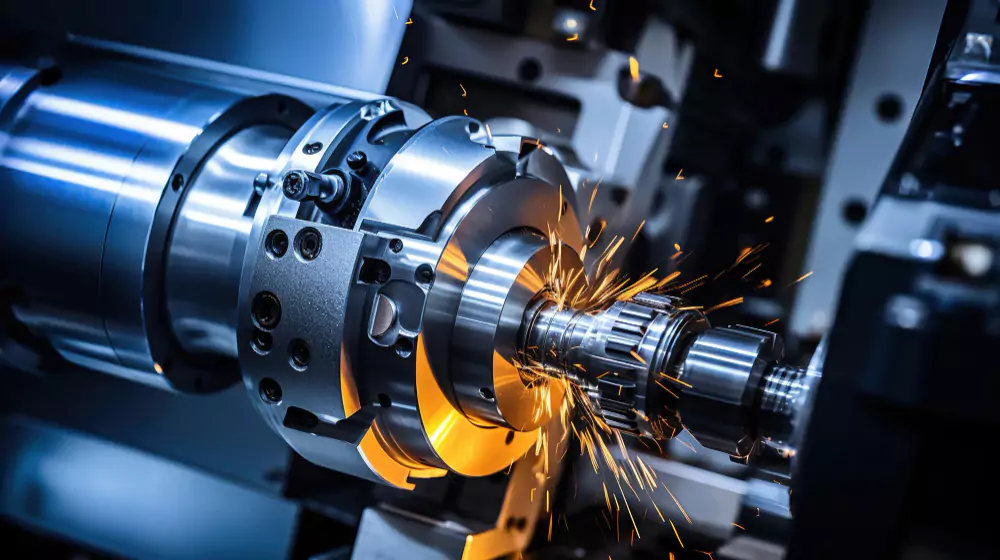
The die casting process is the backbone of modern manufacturing, offering unparalleled precision and efficiency in creating complex metal parts. Whether producing automotive components or crafting intricate industrial machinery, this method balances quality and cost-effectiveness.
The die-casting market is projected to grow significantly, with an estimated valuation of US 78.12 billion in 2024, reaching US$ 127.92 billion by 2031. Its widespread adoption spans industries like aerospace, consumer electronics, and construction, underlining its versatility.
Moreover, its ability to deliver high-volume production while maintaining exceptional detail and consistency makes the die casting process unique. As global manufacturing demands grow, understanding this process becomes critical for manufacturers seeking to optimize their operations.
In this article, we’ll break down the die casting process, explore its benefits, and highlight key considerations for businesses looking to implement it effectively.
What Is Die Casting?
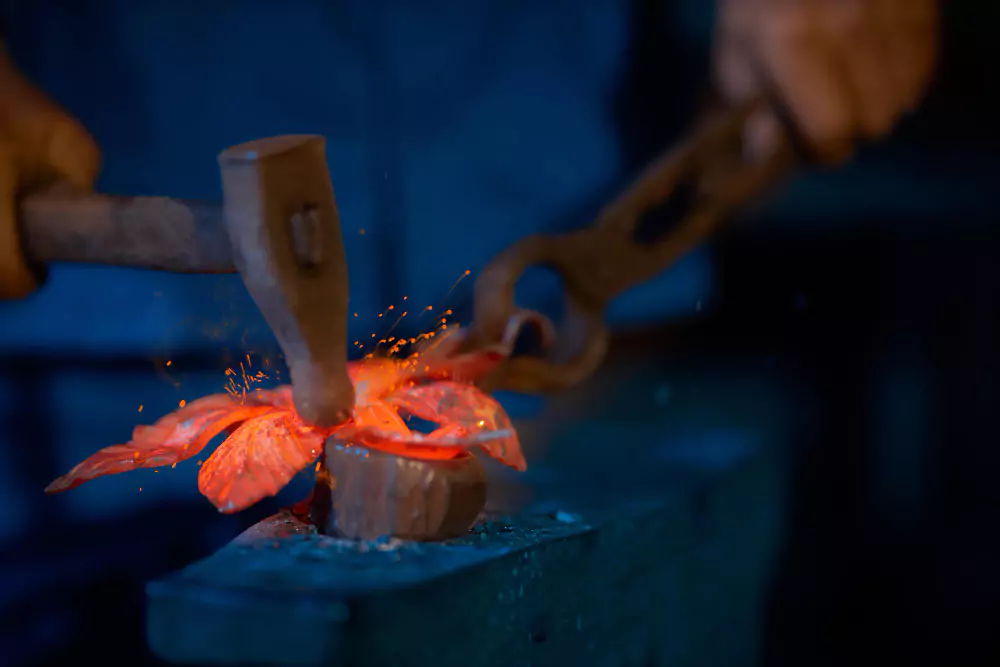
Die casting is a metal fabrication technique that injects molten metal into a mold cavity under high pressure. This process is particularly effective for creating detailed and durable components.
The die casting process uses molds, also known as dies. These are precision-engineered to replicate the exact specifications of the desired product.
Common materials used include:
- Zinc: Known for its malleability and resistance to corrosion, zinc is ideal for intricate designs.
- Aluminum: Lightweight yet durable, aluminum is perfect for high strength-to-weight ratio components.
- Lead: Often used for specialized applications where density is crucial.
Industries that benefit from die casting solutions include:
- Automotive: Creating engine blocks, transmission housings, and structural components.
- Aerospace: Producing lightweight yet durable parts for aircraft.
- Consumer Electronics: Manufacturing precise enclosures and frames for devices.
- Construction: Providing robust brackets and fasteners.
Also, the versatility of the die casting process allows manufacturers to meet stringent quality standards while catering to a broad range of industries.
The Die Casting Process: Step-by-Step
Understanding the die casting process requires diving into its five essential stages:
1. Mold Preparation
First, the die casting process begins with designing and preparing molds typically made from hardened steel. Precision is critical at this stage to ensure that the mold replicates the desired component accurately.
Special lubricants are applied to the mold to facilitate smooth metal flow and easy ejection later.
2. Injection
Next, molten metal is injected into the mold cavity at high pressure, ensuring the metal fills every crevice. This step is crucial for achieving the intricate details that make die-cast components stand out.
3. Solidification
Once the mold is filled, the molten metal is allowed to cool and solidify. This stage requires precise temperature management to prevent defects such as shrinkage or warping.
4. Ejection
After solidification, the cast component is ejected from the mold using pins or other mechanisms. Proper mold design ensures the component retains its integrity during ejection.
5. Finishing
Lastly, the step involves removing any excess material, known as flash, and applying surface treatments. Also, Quality checks are conducted at this stage to ensure the component meets the required specifications.
The die casting process combines science and craftsmanship, requiring meticulous attention to detail at every step.
Advantages of Die Casting Process
The die casting process offers several advantages, making it a preferred choice for manufacturers worldwide:
1. High Precision and Detail
Die casting allows for producing components with complex geometries and tight tolerances. For instance, automotive manufacturers use this process to create engine components with intricate details.
2. Cost-Effective for Mass Production
One of the most significant benefits of die casting is its cost-effectiveness in large-scale production. Once the mold is created, thousands of components can be produced with minimal additional costs.
3. Durability and Strength
The materials used in the die casting process, such as aluminum and zinc, are known for their strength and durability. These properties make die-cast components ideal for applications requiring long-term reliability.
4. Eco-Friendly Manufacturing
Die casting generates less waste compared to other manufacturing methods. Additionally, many metals, such as aluminum and zinc, are recyclable, aligning the process with sustainable manufacturing practices.
Precision, efficiency, and sustainability make the die casting process a cornerstone of modern manufacturing.
Key Considerations for Manufacturers
When adopting the die casting process, manufacturers must consider several critical factors to ensure success:
1. Selecting the Right Metal
Choosing the appropriate material is essential. While aluminum is ideal for lightweight applications, zinc excels in producing intricate designs. Additionally, the choice of metal should align with the component’s intended use and industry standards.
2. Importance of Mold Design
A well-designed mold minimizes defects and ensures consistent quality. Factors like draft angles, wall thickness, and cooling channels must be carefully planned.
3. Managing Temperature and Pressure
The success of the die casting process relies heavily on maintaining optimal temperature and pressure conditions. Moreover, inconsistent parameters can lead to defects such as porosity or incomplete fills.
4. Quality Control Measures
Implementing robust quality control measures is vital. This includes regular inspections, material testing, and employing advanced tools like X-ray imaging to detect internal defects.
By addressing these considerations, manufacturers can fully leverage the benefits of the die casting process while minimizing risks.